


Introduction
Rank boosting in Call of Duty means raising your player rank through expert match wins instead of climbing on your own. Players choose rank boosts to reach higher levels without spending dozens of hours grinding matches. This process works by having skilled players or services play matches on your account to increase wins, kill/death ratio, and overall rank. Many players want to see the number next to their name climb quickly so they can take part in higher-rank playlists, try out new weapons, or earn in-game rewards tied to rank.
Anyone can try rank boosting, whether you are new to Call of Duty or have played for years. New players may feel stuck at lower ranks and miss out on advanced game modes. More experienced players might lack time to grind through every season’s reset or may want to prepare an alternate account for special events. Rank boosts help with both goals by speeding up progress and giving you access to ranks you haven’t reached yet. With a boost, you can join matches meant for higher-ranked players, test out builds meant for that skill level, and collect rewards that only unlock once you hit certain tiers.
By understanding what rank boosting does and who benefits from it, you can set clear goals before you begin. You’ll know whether to aim for a mid-tier rank so you can play with friends or push all the way to top tiers for the challenge. In the next sections, you’ll learn about the main benefits of rank boosting, how to prepare your account, and what to expect as you track progress on your way to a higher Call of Duty rank.
Key Benefits
The first benefit of rank boosting is speed. Instead of spending weeks or months grinding daily matches, you can reach your target rank in a fraction of the time. This is especially helpful when a new season launches and you want to climb the reset ladder before many other players. By focusing on wins and high-performance matches, rank boosts cut down the hours you would otherwise invest in leveling up your profile.
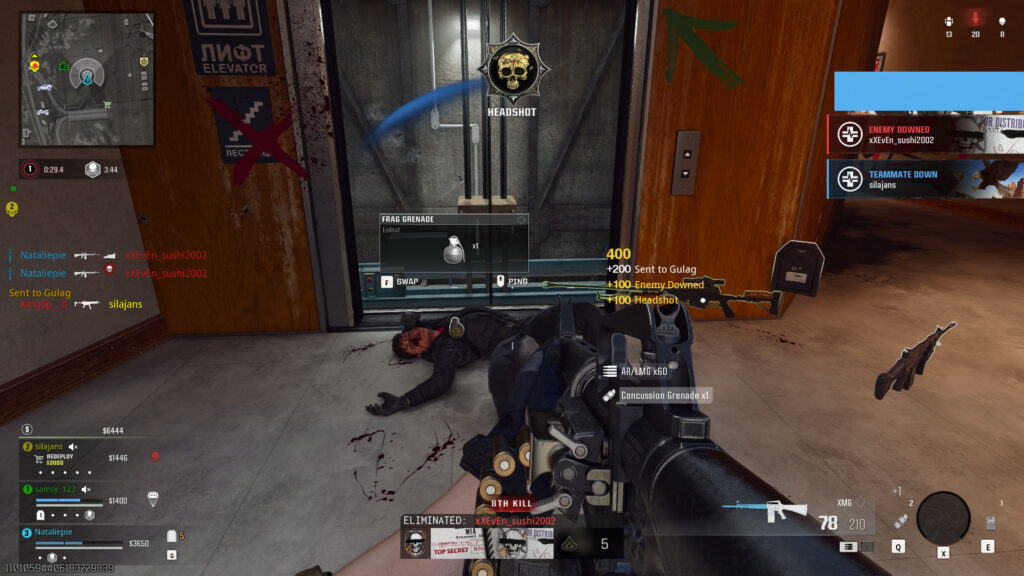
Another perk is access to higher-tier matches. Once you hit a new rank, you’ll be matched with opponents and teammates at similar skill levels. This can improve your experience if you’re ready for a tougher challenge or want to see how you fare against more skilled players. Higher-tier matches also let you try weapons and attachments that unlock only at certain levels. Instead of waiting for each unlock, you get to test gear right away and find your favorite setup faster.
Finally, rank boosting unlocks in-game rewards tied to rank. Many Call of Duty titles grant skins, charms, calling cards, or weapon blueprints at specific milestones. Boosting your rank gives you access to these items sooner so you can show them off in matches. If you enjoy collecting rare items or want to stand out on the battlefield, reaching higher ranks quickly can pay off in visual style and bragging rights. With reduced grind time, access to tougher matches, and early unlocks, rank boosting offers clear advantages over solo play.
Account Preparation
Before starting a CoD boosting, it’s important to secure and organize your account. First, update your password and enable two-factor authentication (2FA). This step keeps your profile safe when others log in to play matches on your behalf. You should use a strong, unique password and link your account to an email or phone number you control. Two-factor authentication adds a code requirement each time someone accesses your profile, so you’ll know if any login happens without your approval.
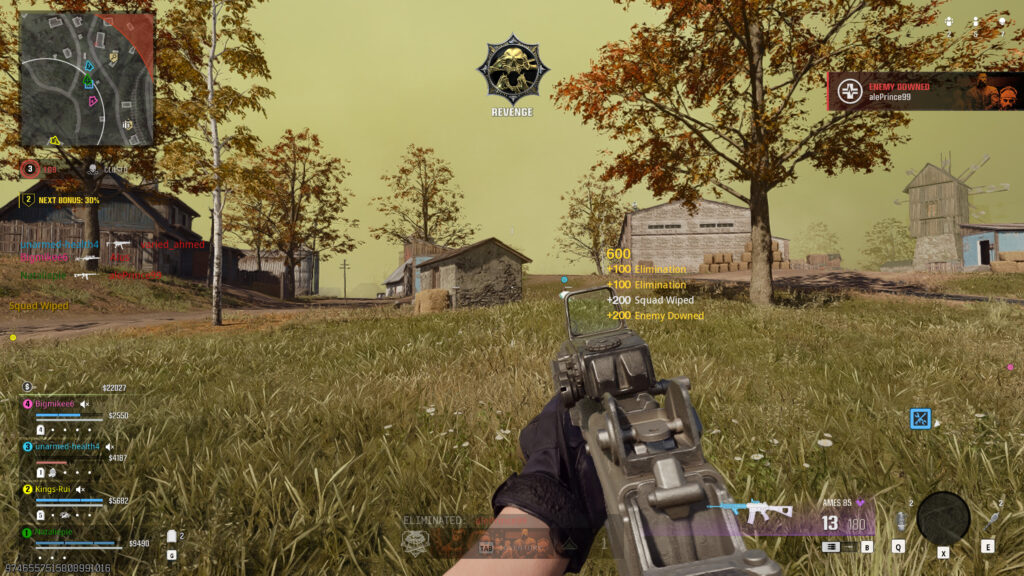
Next, check your current rank, stats, and settings. Take note of your starting point: your player level, rank tier, kill/death ratio, and any progress toward the next rank. This baseline will help you track the boost progress and confirm you reach your goal. Also review your game settings—camera sensitivity, key bindings, controller layout, and network settings—so the booster can match your style. Sharing a short list of your settings makes it easier to switch back to your usual setup once the boost is done.
Finally, ensure your internet connection and gaming system are stable. A wired connection or strong Wi-Fi signal reduces the chance of disconnects during matches. Close other applications that might hog bandwidth or CPU resources. If you use voice chat, check that your microphone and headset are working properly. A smooth connection and properly configured system help avoid interruptions that could slow down rank progress or lead to missed matches. With these steps complete, your account will be ready for an efficient, secure boost to your target rank.
Setting Your Target
Before starting a boost, decide on a clear goal rank. Begin by noting your current level and the rank tier you want to reach. Pick a target that matches your play style and available time. If you aim too high, you may extend the boost longer than expected. If you choose a mid-tier rank, you can enjoy new challenges without a huge time commitment. It also helps to check whether playlists reset at the end of a season—setting your boost to finish before reset ensures you don’t lose progress.
Estimate how long each rank jump will take. Combine your total available hours with typical match duration to set a realistic schedule. Remember to allow for brief breaks so you can review progress and adjust settings. Keep in mind certain ranks unlock specific attachments, weapons, or game modes. If you want a boost that unlocks a particular item quickly, set your goal at the rank threshold for that reward.
Use this simple list to guide target selection:
- Note your current rank and stats.
- Choose a realistic goal rank based on time and skill.
- Check for upcoming resets or playlist changes.
- Estimate matches needed per rank tier.
- Decide on a timeline and break points for review.
By setting a clear target and timeline, you’ll avoid guesswork. With a written plan, you and the booster will share the same expectations and can track progress without confusion.
Boost Timeline
A clear timeline helps you see progress and know when to check in. Below is a table showing average match counts and hours needed to move between common tiers. These estimates assume steady wins and minimal disconnects.
| Rank Range | Estimated Matches | Estimated Hours |
|---|---|---|
| Bronze to Silver | 20 | 2 |
| Silver to Gold | 30 | 3 |
| Gold to Platinum | 40 | 4 |
| Platinum to Diamond | 50 | 5 |
| Diamond to Master | 60 | 6 |
Use this timeline to set check-in points. For example, if your boost begins at Gold, you can plan to ask for an update after roughly 40 matches or four hours. If you see progress slower than expected, you can adjust the plan or confirm match count with your booster. Most services provide status updates every few matches; agree on a frequency—say, every 10 matches—so you stay informed and confident in progress.
Keep in mind that factors like map rotation and match length can shift total hours. If you play on maps with longer objectives, matches will take more time. Likewise, playlists with longer respawn timers may extend each match. By tracking both match count and real time, you’ll know exactly when you hit key milestones and can plan your next steps accordingly.
Staying Informed
Regular updates keep you in control of the boost and give you confidence in the process. Start by sharing access to your match history so you can verify completed games. Many boosters will send screenshots or clips as proof—decide if you want those automatically or only upon request. Agree on a method for status reports, whether through in-game chat, email, or a messaging app.
Use the following list to set up clear communication:
- Choose how often you want updates (e.g., every 10 matches or every hour).
- Decide what proof you need (screenshots, match IDs, or video clips).
- Confirm the reporting channel (Discord, email, or game chat).
- Agree on a format for summaries (table of wins, kill/death ratio, rank progress).
- Set a final report format for the end of the boost (full match log and final stats).
Review each update promptly. If you spot any discrepancy—missing matches or stats that don’t match your baseline—ask for clarification right away. After the boost ends, request a complete summary of match history and final rank details. This wrap-up helps you verify the service delivered exactly what you paid for and gives you confidence as you take on higher-rank matches on your own.
Making the Most of Your New Rank
Once you reach your target rank, it’s time to adjust your game plan for tougher matches. Start by running practice drills that focus on the skills you’ll need at this level. For example, if you jumped from Gold to Platinum, work on headshot accuracy in private matches or use aim trainers to tighten your aim. These drills help you adapt to faster opponents and tighter windows for reaction.
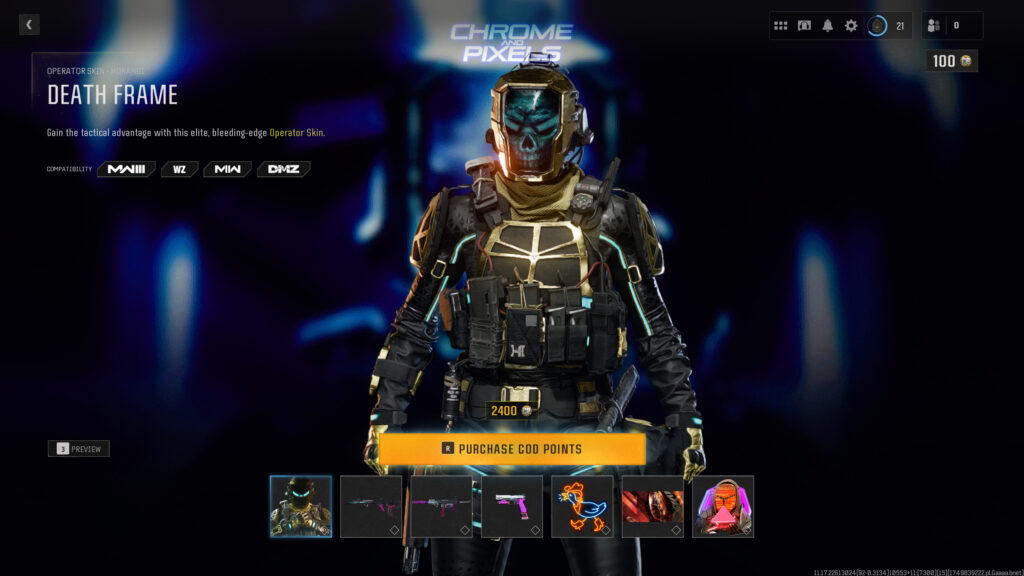
Next, update your loadout based on unlocks at your new rank. Take advantage of weapons, attachments, and perks that were previously out of reach. Test different combinations in custom games to find which setup suits your style. You might discover that a weapon you bypassed at lower ranks performs much better once you have access to its high-tier attachments.
Finally, join a squad that matches your skill level. Playing with regular teammates builds communication and team play, which are key at higher ranks. Look for groups focused on weekly practice or small tournaments. Even casual squads can help you learn map control and objective timing. By combining solo drills, updated gear, and regular team play, you’ll stay competitive and continue improving beyond the boost.
Frequently Asked Questions
How long does a boost take?
Boost times vary by rank gap and match length. On average, moving up one tier (for example, Silver to Gold) takes about three hours or 30 matches. Larger jumps—such as Bronze all the way to Diamond—can take 20 hours or more. Always ask your booster for an estimated timeline before you begin so you can plan breaks and check-ins.
Can I play my own matches during the boost?
It depends on the service you use. Some boosters allow you to play on alternate accounts while they work on your main profile. Others require exclusive access to avoid conflicting match data. Confirm this detail before the boost starts. If you plan to play on another account, make sure it’s ready and that you won’t accidentally log into the account being boosted.
What happens if you hit the target early?
When progress exceeds the plan—say you reach the goal rank after fewer matches—you’ll often get a refund for unused hours or matches. Some services automatically stop the boost upon hitting the target, then send you a final report. Always clarify this policy in advance so you know whether you’ll receive compensation or a rapid wrap-up when you hit your goal ahead of schedule.
Post-Boost Steps
After the boost ends, review your match history and final stats in detail. Compare them against your starting baseline to see exactly how many wins, kill/death improvements, and matches it took. Keep a screenshot record for future reference or to share with teammates.

Next, set new goals now that you’re at a higher skill bracket. If your boost stopped at Platinum, aim for Diamond on your own. Break that next target into smaller milestones—like adding ten more wins or improving your headshot ratio by five percent. Having clear mini-goals keeps you focused.
Finally, maintain your rank with regular play. Schedule consistent sessions—at least a couple of matches each week—to avoid slipping back down. Use your post-boost drills and squad sessions to polish team strategies and adapt to evolving opponent styles. Staying active will help you hold on to your new level and prepare for future rank pushes.
Conclusion
A rank boost is a fast track to higher levels, but it also requires planning and follow-up. You’ve learned how to set up your account, choose a target, track progress, and settle into your new rank. Use drills, updated loadouts, and squad play to keep improving.
Remember to review your boost results and set fresh goals so you stay motivated. With these steps, you can enjoy higher-tier matches and keep climbing the ranks on your own terms.
Leave a Reply