

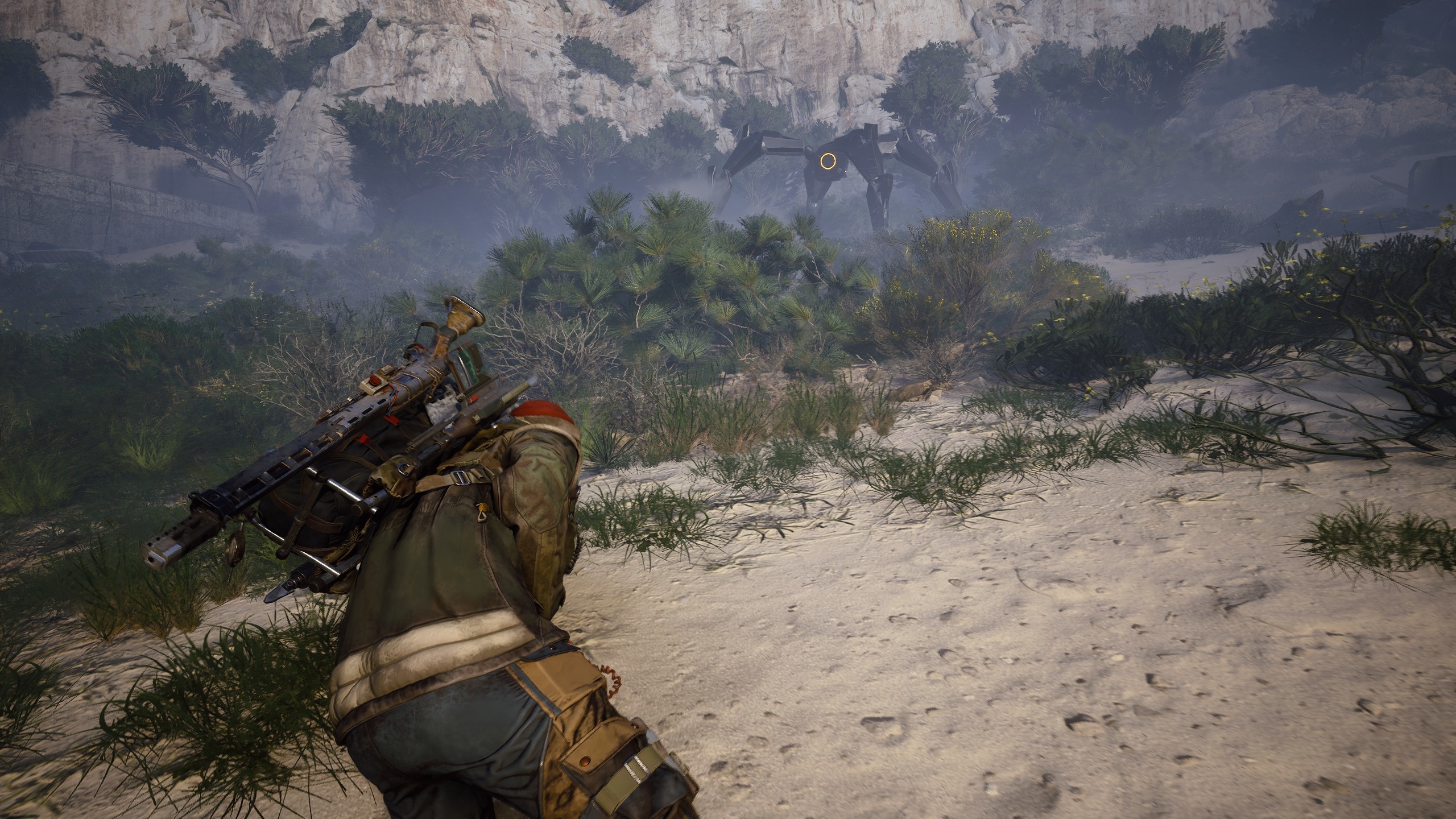
Arc Raiders has emerged as a notable contender in the multiplayer first-person shooter (FPS) genre, particularly with its innovative dynamic storm mechanics. These mechanics not only enhance the gameplay experience but also introduce a layer of strategy that has been largely absent in many contemporary shooters. As players navigate through increasingly unpredictable weather patterns and their effects on gameplay, the dynamic storms serve as a pivotal element that challenges traditional FPS norms. This article will delve into the implications of these mechanics, examining how they contribute to both the competitive and casual playing experience.
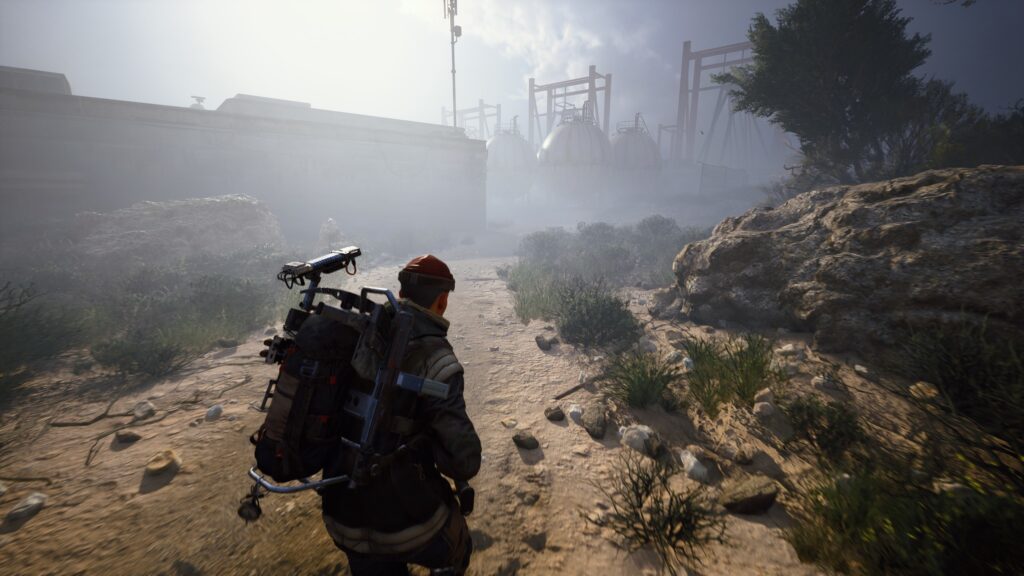
Understanding Dynamic Storm Mechanics
The dynamic storm mechanics in Arc Raiders operate on a sophisticated system of weather patterns that can shift in real-time, affecting visibility, movement, and tactical options. Unlike static environments seen in many traditional shooters, these storms create a living battlefield where players must constantly adapt their strategies. The storms can manifest as heavy rain, blizzards, or electrical storms, each imposing unique challenges. For instance, heavy rain may reduce visibility significantly, while electrical storms can disable certain tech-based abilities. This variability forces players to reassess their positioning and approach continuously, fostering a more engaging and immersive experience.
Impact on Gameplay Dynamics
The introduction of dynamic storm mechanics profoundly alters core gameplay dynamics. Players are no longer just concerned with enemy positioning and weapon loadouts; they must also account for environmental factors that can shift the tide of battle. This includes managing aggro in team engagements, as storm conditions can obscure enemy movements or provide unexpected cover. Additionally, the storms encourage teamwork as players must communicate effectively to navigate through these unpredictable conditions. Establishing a solid line of sight (LoS) becomes paramount, and players must develop new tactics to leverage the storms to their advantage, making teamwork and coordination essential for success.
Strategic Depth and Player Engagement
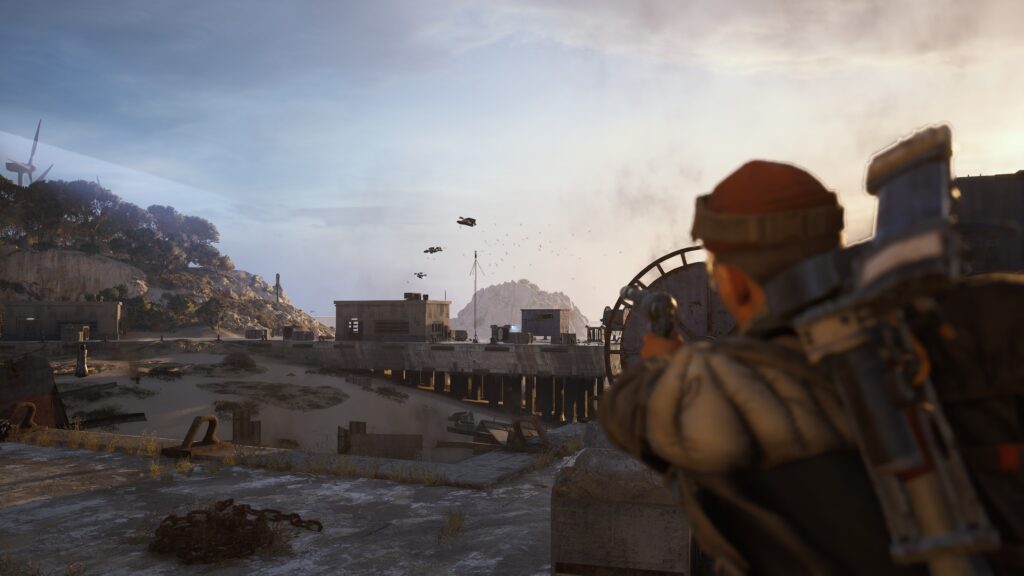
Strategic depth is significantly increased by the unpredictable nature of dynamic storms. Players are incentivized to think critically about their loadouts and approaches. For example, certain weapons may perform better in storm conditions, such as shotguns in low visibility or long-range rifles during clear moments. Below is a table summarizing weapon performance modifiers based on storm types:
| Storm Type | Weapon Modifier | Recommended Weapon |
|---|---|---|
| Heavy Rain | -30% Visibility | Shotgun |
| Blizzard | -20% Movement Speed | SMG |
| Electrical Storm | Disables Tech Abilities | Assault Rifle |
This additional layer of strategy promotes higher levels of player engagement, as teams must continuously adapt to both the storm conditions and the enemy strategies. Moreover, the unpredictability of the storms creates memorable moments that can shift the outcome of matches, leading to a more exhilarating competitive landscape.
Balancing and Competitive Play
In the realm of competitive play, balancing these dynamic storm mechanics is crucial for fair gameplay. Developers must ensure that the storms do not disproportionately favor one team over another, which could lead to frustrating experiences. Regular updates and community feedback loops will be essential in fine-tuning how storms affect gameplay. Players will need to adapt their metas based on storm patterns, but the core competitive integrity must remain intact. This balancing act will be crucial for maintaining player satisfaction and ensuring longevity in the game’s competitive scene.
The Future of Multiplayer FPS
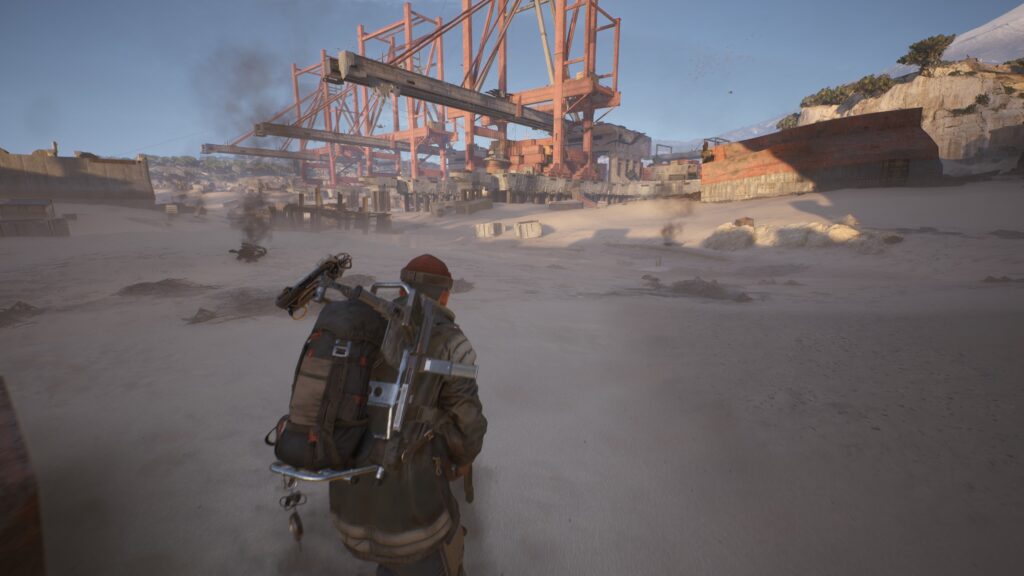
The innovative dynamic storm mechanics in Arc Raiders signify a potential shift in the future of multiplayer FPS design. They challenge developers to rethink environmental interactivity and player agency within gameplay. As more titles explore similar mechanics, we may witness a burgeoning trend where environmental factors play a decisive role in gameplay strategies. Ultimately, these advancements could lead to a new era of FPS games that prioritize adaptability, strategy, and the unpredictable nature of combat scenarios, fostering a more vibrant and engaging player community.
Leave a Reply